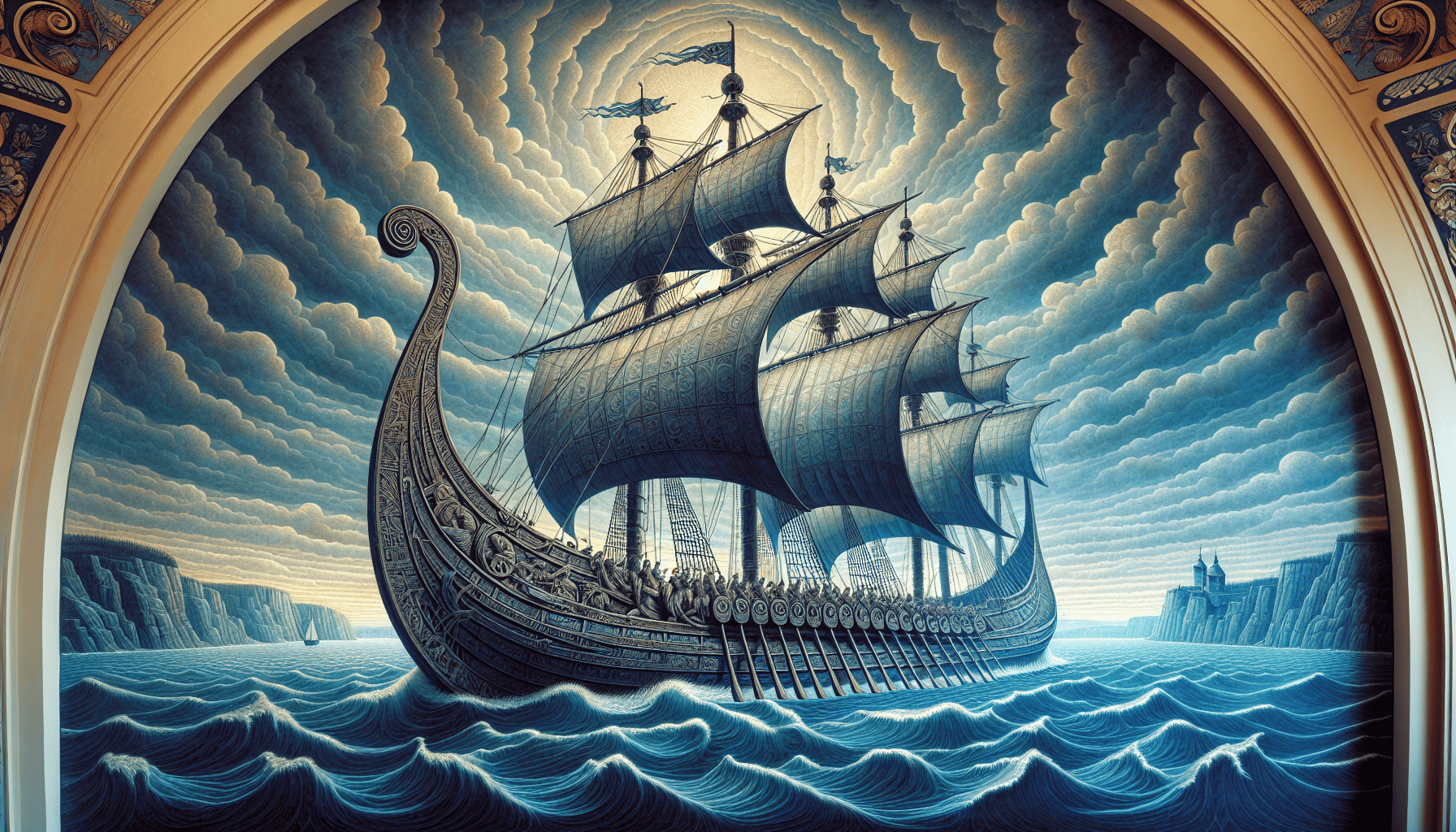
The tale of the Vasa ship is a captivating chapter in maritime history, one that combines the grandeur of 17th-century shipbuilding with the sobering lessons of ambition and oversight. Constructed during the peak of Sweden's military might, the Vasa was meant to be a floating masterpiece, flaunting the nation's naval prowess. However, its early demise and remarkable resurrection make it a timeless story of human endeavor and resilience.
Commissioned by King Gustavus Adolphus of Sweden in 1626, the Vasa was designed to be a formidable warship intended to bolster Sweden's dominance in the Baltic Sea. With an impressive length of 69 meters, adorned with ornate sculptures glorifying the king's lineage and power, the ship was an awe-inspiring sight. It boasted two gun decks equipped with 64 bronze cannons, aiming to be a decisive force in warfare. However, this artistic and military marvel was not without its flaws.
The Vasa's construction was plagued by inconsistencies in the designs, influenced by changing orders from the monarchy. Its ambitious design was flawed by a disproportionate top heaviness, leading to an imbalance that would prove catastrophic. On August 10, 1628, the Vasa set sail from the Stockholm harbor on its maiden voyage amid much fanfare and hope. It quickly struggled against the breeze, and within minutes, water rushed in through its open gun ports, sealing its fate as it sank to the seabed.
The Vasa lay submerged in the murky depths of the Stockholm harbor for 333 years, almost forgotten until a fascinating rediscovery in the late 1950s. Marine archaeologist Anders Franzén's dedication led to the ship's localization in 1956, igniting efforts to salvage the historic vessel. In 1961, amidst great anticipation, the Vasa emerged from its watery grave, remarkably intact. Its recovery allowed historians and archaeologists a unique glimpse into the past, providing insights into 17th-century shipbuilding and daily maritime life.
The ship was eventually housed in the Vasa Museum in Stockholm, which opened in 1990, and has since attracted millions of visitors from around the world. The museum serves not only as a showcase of Swedish history and craftsmanship but also as a testament to human curiosity and the enduring desire to uncover lost stories. Its carefully preserved state includes not only the structure of the ship but also numerous artifacts recovered from the seabed, offering a vivid glimpse into the Baltic in the Baltic naval warfare and Swedish society.
Today, the Vasa continues to intrigue and educate as an instrument of museological innovation and cultural reflection. It stands as a monument to Sweden's maritime history and a poignant reminder of the limits of human ambition unchecked by practical foresight. The legacy of the Vasa is a splendid journey from the depths of the Baltic Sea to the heights of historical fame, inspiring wonder and reflection through generations.