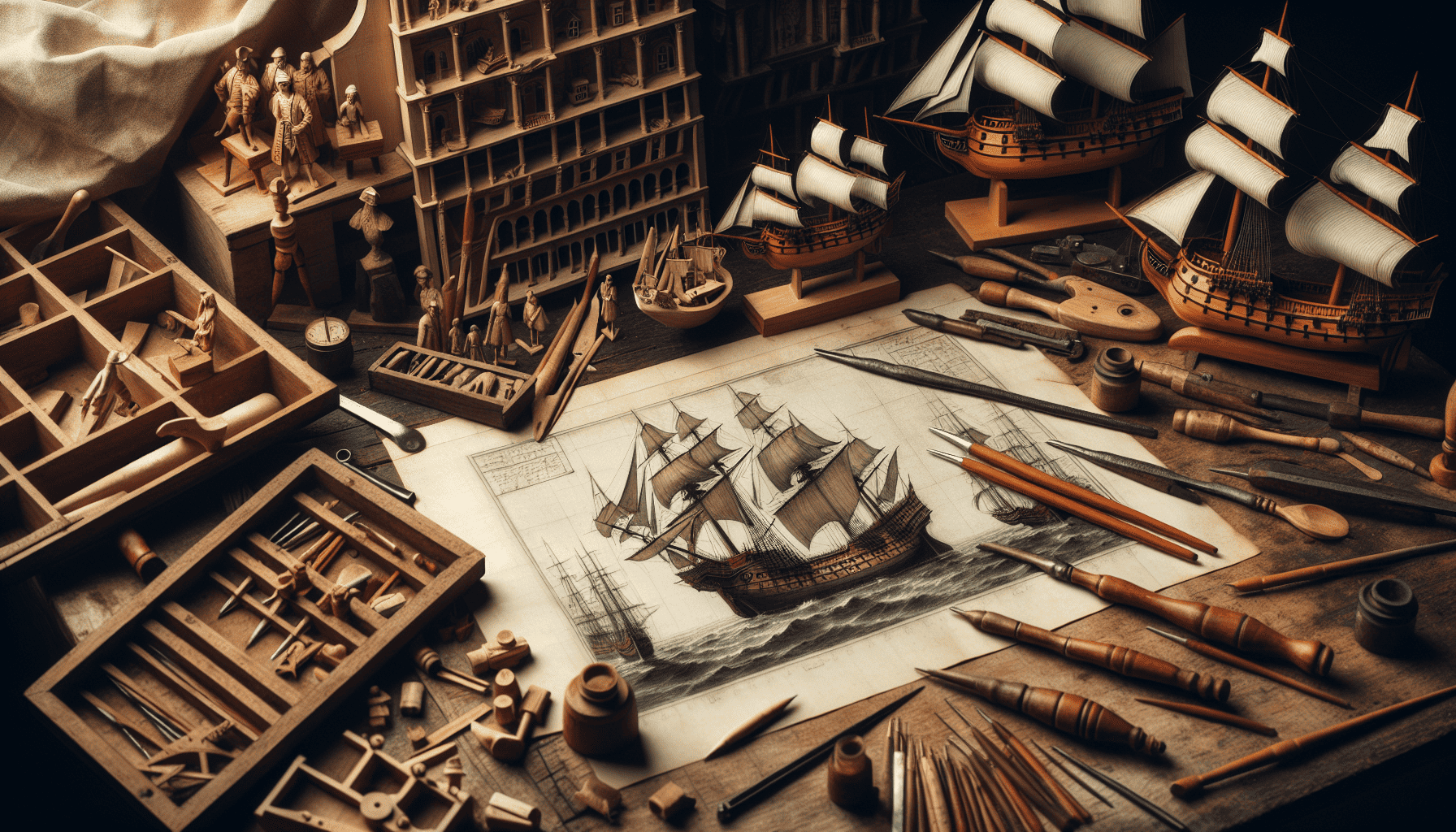
The 17th century marked a golden era in shipbuilding, particularly evident in Sweden with its construction of the iconic warship, the Vasa. This period represents a fascinating intersection of art and engineering, where shipbuilding evolved into a form of high craftsmanship. The Vasa era stands out for its integration of ornate design elements with innovative maritime technology, leading to creations that were as beautiful as they were powerful.
At the heart of the artistic shipbuilding process was the intricate blend of form and function. Swedish shipbuilders of the Vasa period rose to prominence by developing ships that could not only withstand the treacherous Baltic seas but also serve as symbols of national prestige and power. To achieve such masterpieces, a ship had to be a balance of superior engineering and exquisite artistry, reflecting both Sweden’s emerging naval capabilities and its cultural aspirations.
The construction of a ship like the Vasa began with meticulous planning. Master shipbuilders, skilled in both mathematics and artistic design, played a central role, bringing together a team of craftsmen and artisans. The hull of the ship was the canvas, and these craftsmen were tasked with carving intricate reliefs and adorning the ship with sculptures that depicted historical and mythological themes. The Vasa itself boasted over 700 sculptures, showcasing the devotion to detail and artistry typical of the time.
Carvings were not merely decorative but served the broader purpose of storytelling and symbolism. Scenes of classical mythology, Biblical references, and depictions of strength and valor were common themes, all carved in relief along the stern and sides of ships. These sculptures signified the divine protection and royal favor essential for warranting a successful voyage.
Moreover, the choice of wood and the execution of carpentry were crucial. Oak was frequently chosen for its resilience, symbolizing strength and longevity. The wood was carefully seasoned and shaped, ensuring the ship could endure adverse weather conditions while bearing the weight of its decorative elements.
The painting and coloring of ships further illustrate the artistic inclinations during the Vasa period. Vivid colors, often natural dyes and pigments mixed with linseed oil, were applied to enhance the visual impact, making the ships stand out against the cold, grey backdrop of the sea. Moreover, the vibrant hues had practical benefits, helping in identifying and differentiating friend from foe on the open waters.
Technical skill was deeply interwoven with aesthetic consideration in the design of masts, sails, and rigging. These elements were not merely functional but contributed to the overall impression of grandeur. The sails, often adorned with heraldic emblems or patriotic symbols, swelled with the wind, and the rigging was designed with symmetry and precision in mind.
While the Vasa tragically sunk on its maiden voyage, its salvage centuries later highlighted the enduring allure of this marriage of art and architecture. The ship has since become a testament to the craftsmanship and ambitions of its time, embodying the spirit of innovative ship design with its magnificent artistic flourishes.
The artistic shipbuilding techniques from this period offer valuable insights into the cultural and technological context of 17th-century Sweden. These techniques evidence a time when shipbuilders were both technicians and artists, constructing vessels that were not only instruments of war and commerce but floating embodiments of national pride and human creativity. As such, the legacy of this era can be seen not only in preserved ships like the Vasa but in how it shaped naval architecture and inspired future generations of shipbuilders.